INDUSTRY:
PRODUCT DESIGN
TIMELINE:
NOV 2024
EXPERIENCE:
RESEARCH DESIGN
SOFTWARE:


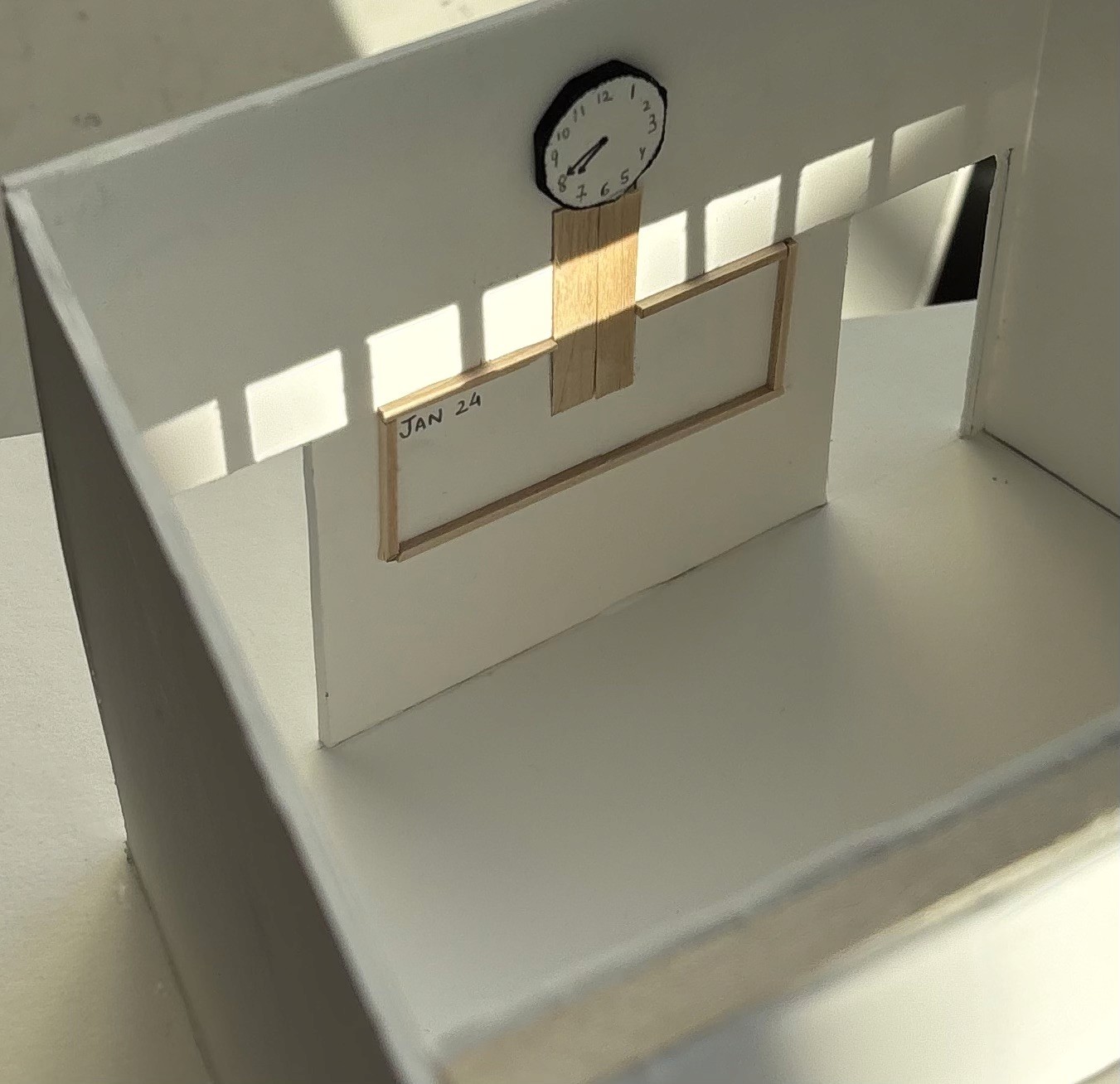
An exploration of intentional illumination through solar geometry and the marking of occasion.
Sectional Design
Physical Model Fabrication
Daylighting Research
Solar Geometry Study
Design Experimentation
Individual Project | DEA 1101 | FA24
case.
"The sunlight did not know what it was before it hit the wall"
~ Louis Kahn
"Whatever space and time mean, place and occasion mean more"
~ Aldo van Eyck
The prompt asked:
How can light and shadow transform space into place?
How can a specific moment in time be spatially marked through solar geometry?
Rather than treating daylight as a passive environmental condition, the goal was to design an enclosure where the sun’s position at a particular time of year would create a deliberate, viewable interior effect and turning light into occasion.
the precedent.
This project began with a study of the Rajkumari Ratnavati Girls’ School opened in 2021, designed by Diana Kellogg and commissioned by CITTA, a non-profit organization that supports development in some of the most economically challenged, geographically remote or marginalized communities in the world.
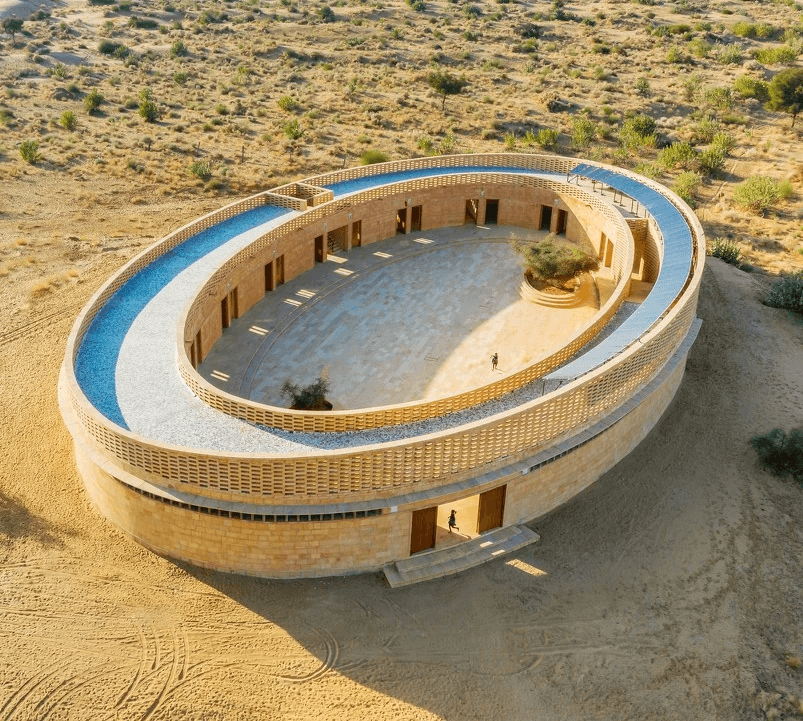
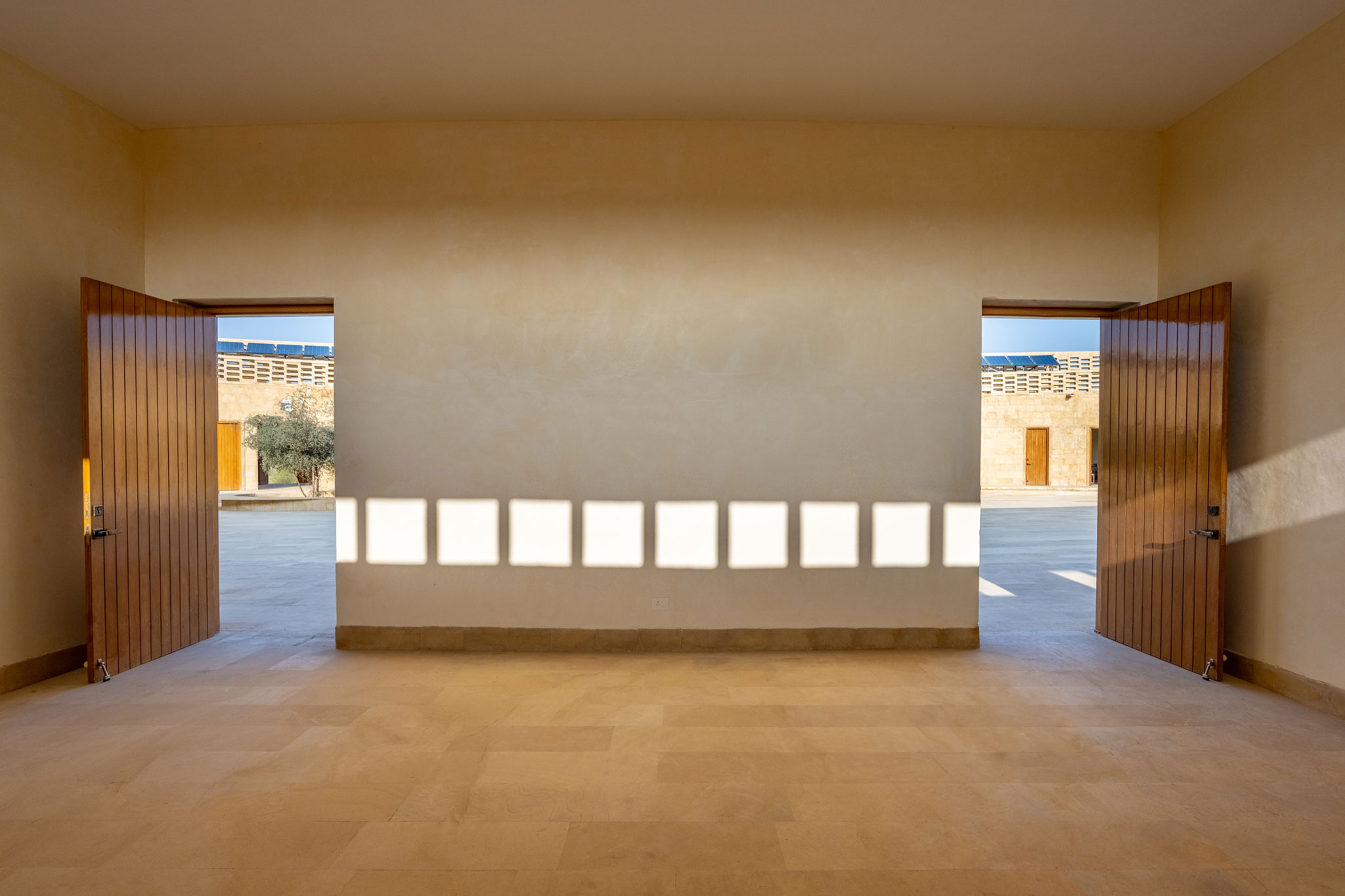
The school’s elliptical sandstone form and perforated jali screens filter harsh desert sunlight into diffused interior radiance. Rather than allowing light to flood the space indiscriminately, the architecture tempers and directs it to balance glare reduction, thermal control, and atmospheric effect.
The lighting quality I identified and abstracted from this precedent was Intentional Illumination - light that is filtered, framed, and spatially controlled to create meaning.
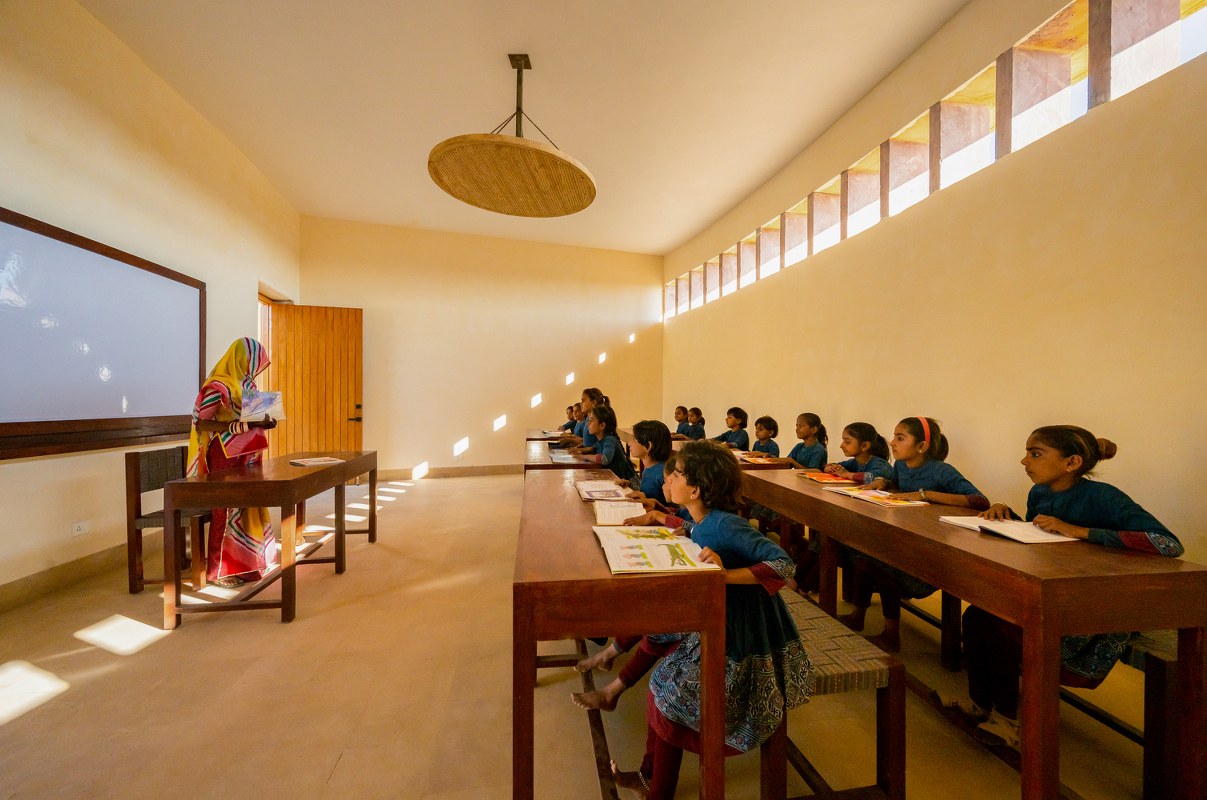
research and solar strategy.
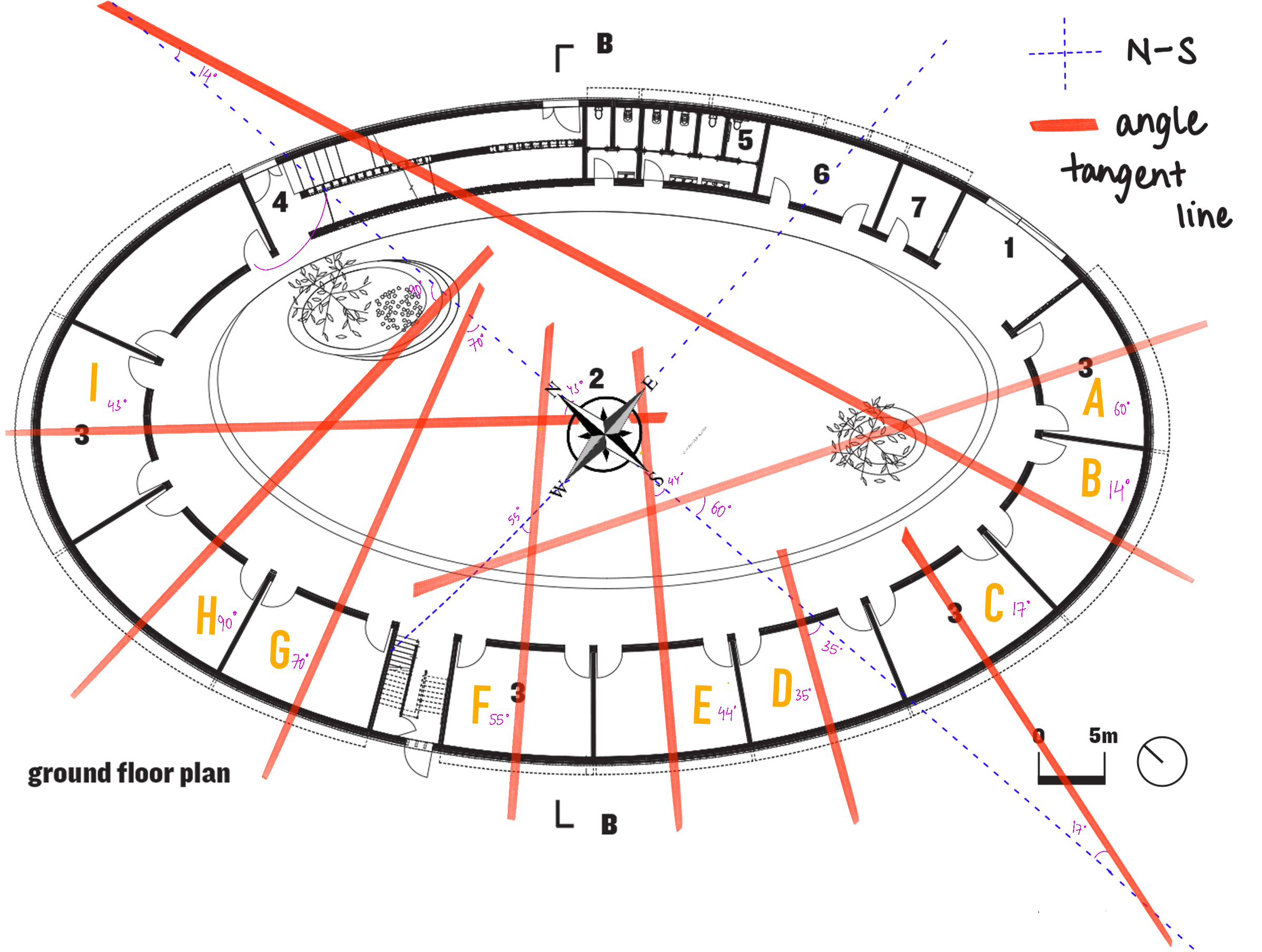
Research into the building’s geometry, orientation, and slit window configuration informed the enclosure study.
Using solar path analysis tools and latitude-specific data, I examined how sun angles vary seasonally and how sectional adjustments alter beam penetration depth.
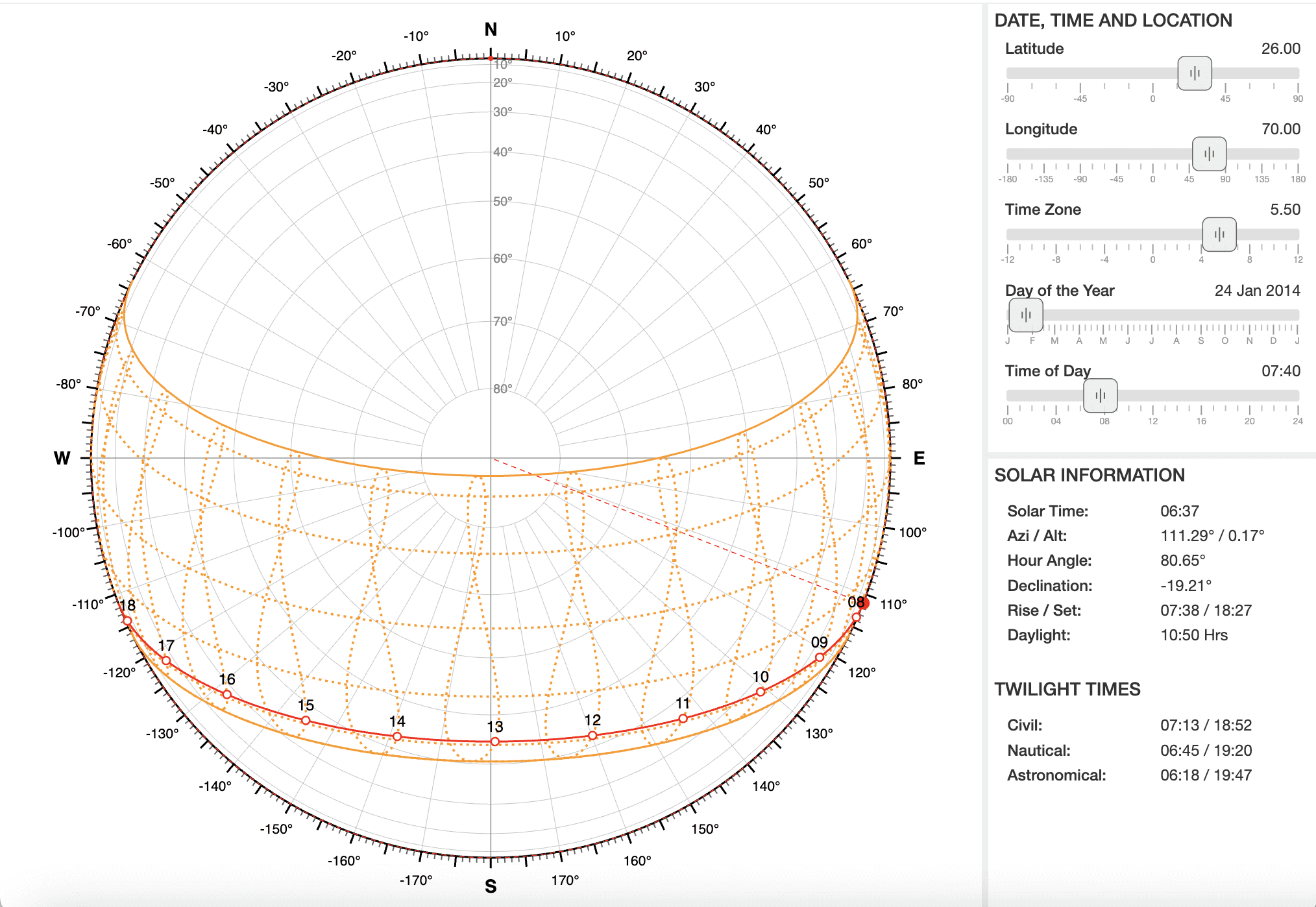
The objective was not maximum illumination, but precision.
I selected January 24th at 7:40 AM, the time sun rises on National Girl Child Day in India, as the commemorative moment. This date ties back to the precedent’s educational mission and transforms the light study into a symbolic spatial gesture.
marking occasion.
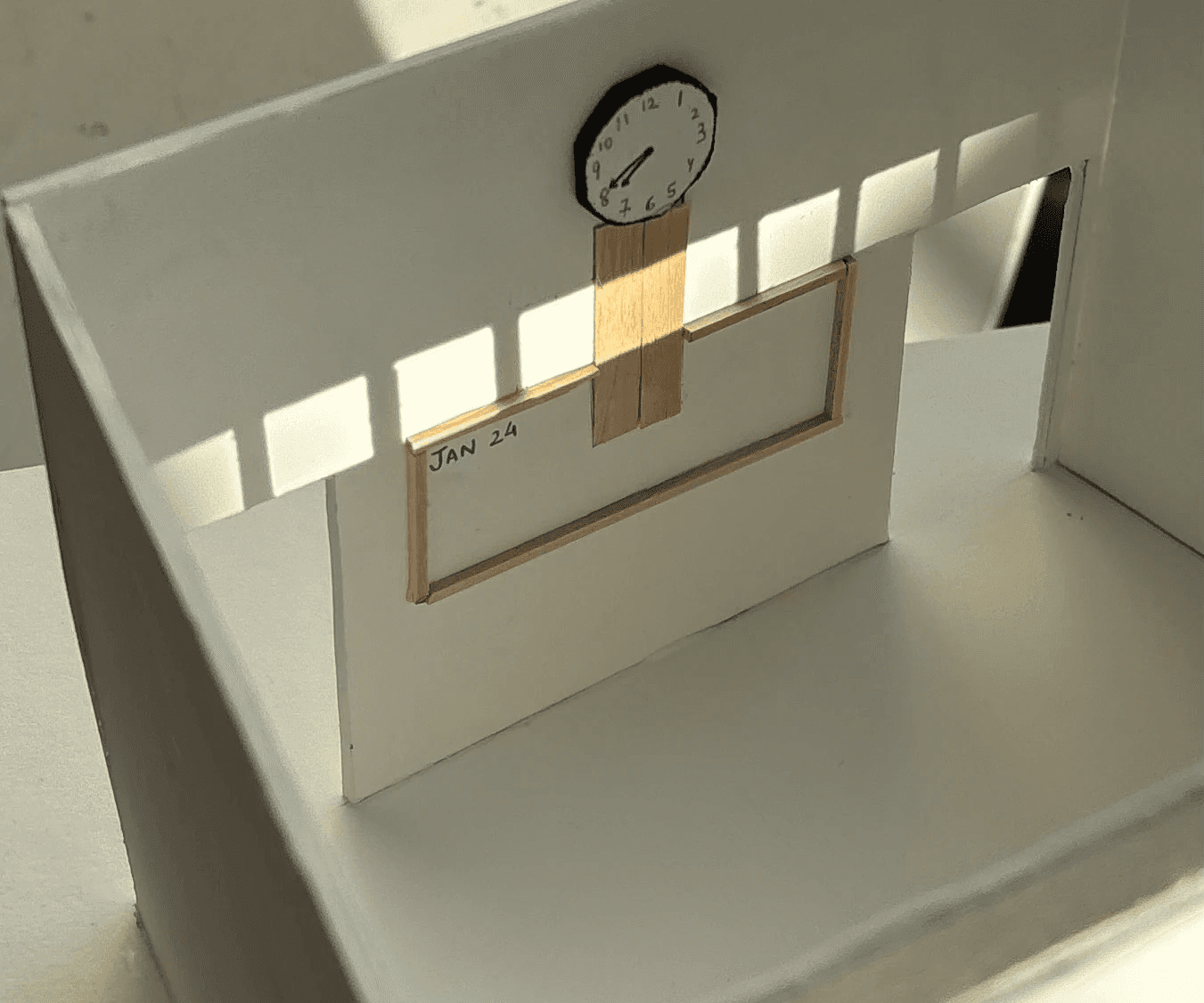
To highlight this occasion, I focused on Classroom G, which is oriented at a 70° angle to the N-S axis. The building height was adjusted to be 0.6 meters taller than its original design, with the windows lowered by the same amount. This configuration ensures that at 7:40 am on January 24th, sunlight enters the windows at an angle of 0° (parallel to the horizontal), projecting a beam at the same height as the windows on the opposite side.
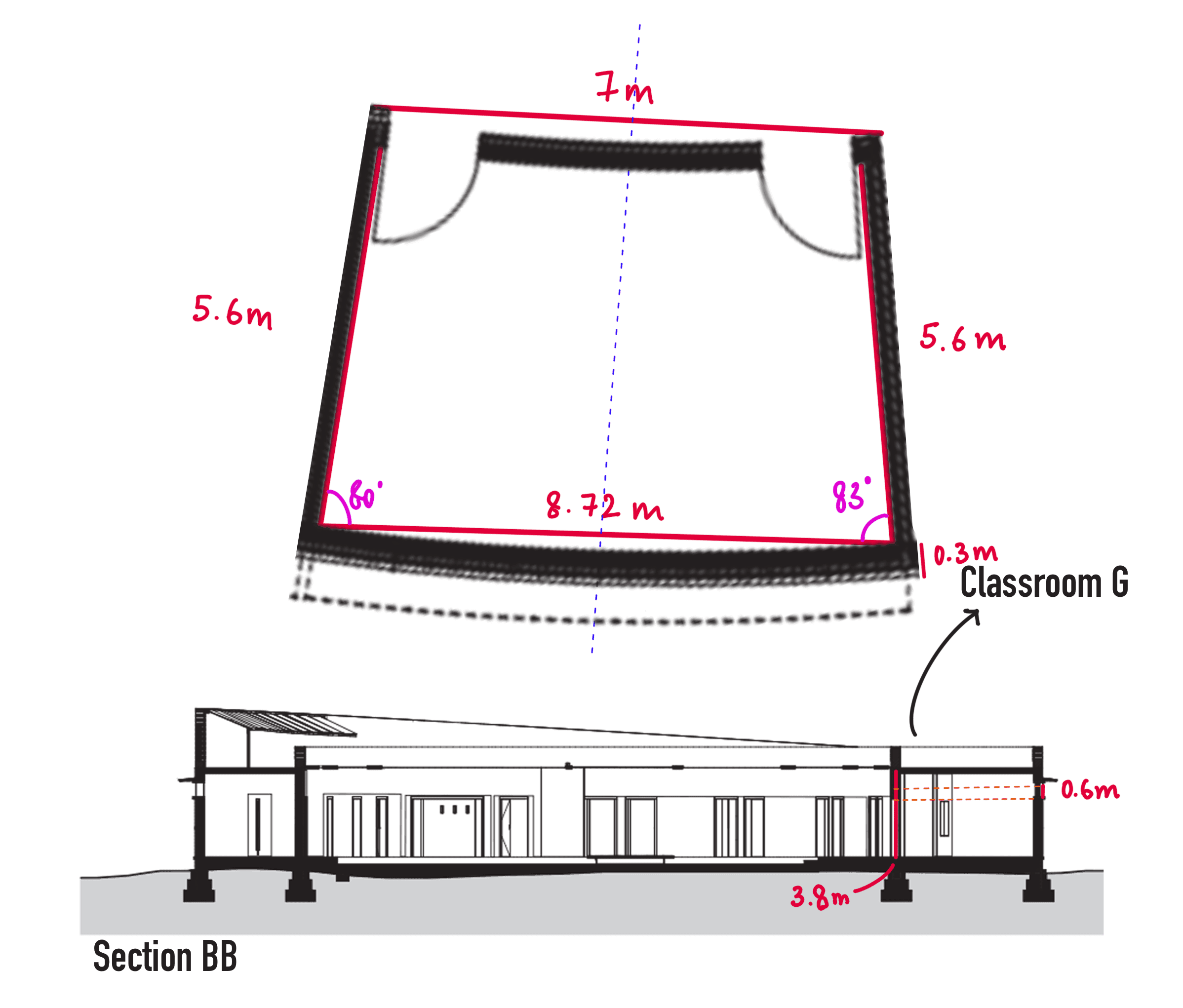
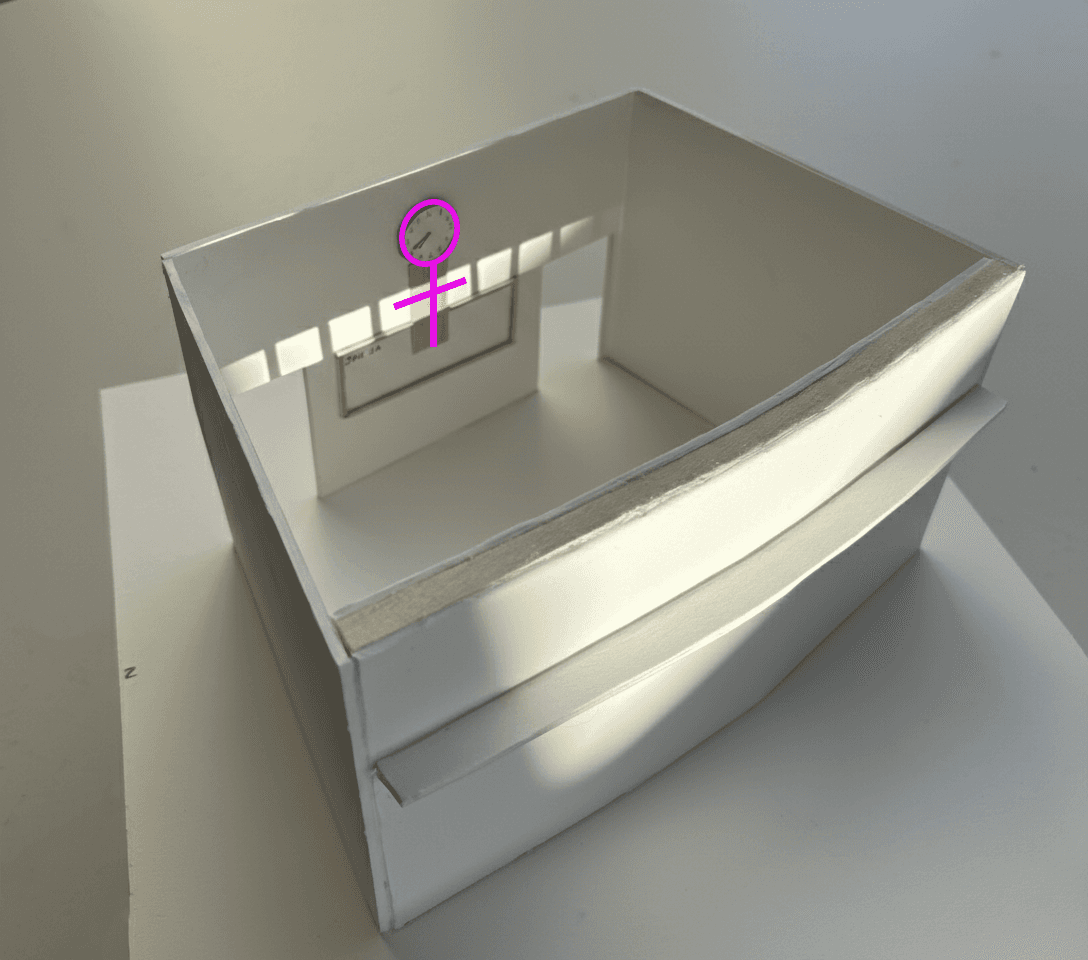
This precise alignment creates a symbolic lighting effect, forming the Girl Child symbol. The design integrates elements like a clock and the vertical section of an adjusted whiteboard. Additionally, the middle slit of the light projection was removed to form a rectangular shape instead of a square, completing the intended visual.
The physical model was fabricated using white museum board (¼” minimum thickness) and basswood detailing, adhering to the 10” cubic constraint. The monochromatic material palette emphasizes shadow clarity and highlights the architectural control of light as primary design material.
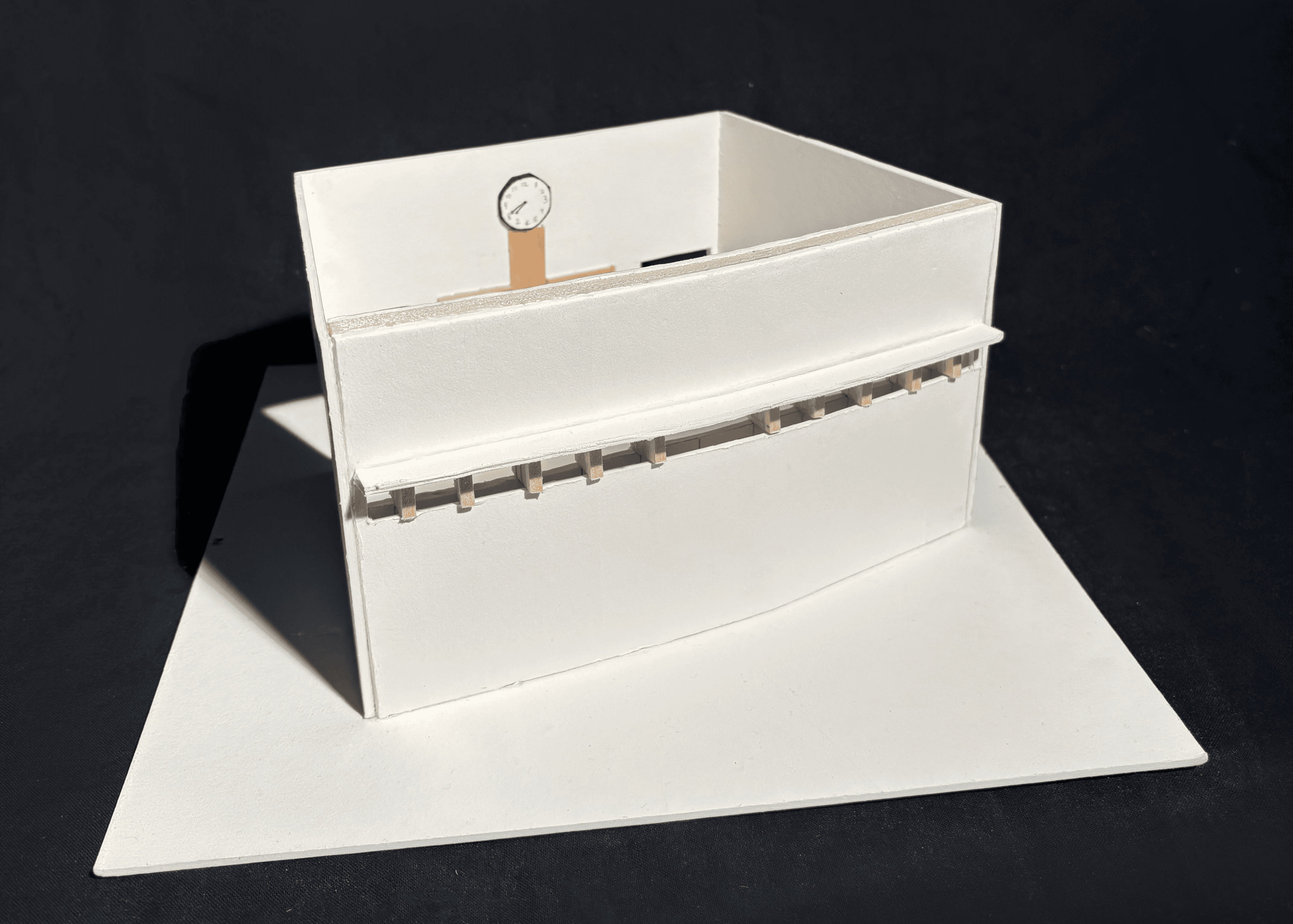
The first rays of sunlight illuminate the Girl Child symbol, serving as a metaphor for empowerment and celebrating the aspirations of young girls, reinforcing the significance of education and equality on this momentous day. Through measured sectional refinement and solar alignment, light is no longer incidental, it is constructed.


reflection.
This project deepened my appreciation for systems thinking in design and just understanding how many forces have to align for a single effect to occur.